
12th Rabi-ul-Awwal: The Day That Changed the Course of Human History
Have you ever wondered how a single date can stir so much love, devotion, and emotion in the hearts of millions of people across the world? 12th Rabi-ul-Awwal is no ordinary date — it is the milestone in Islamic history linked to the blessed birth of the Prophet of Islam, Muhammad ﷺ. This day is not just an expression of devotion; it is also a remembrance of the personality who lit the lamp of knowledge, mercy, and humanity in an age of darkness and ignorance.
In this article, we’ll explore the historical significance of 12th Rabi-ul-Awwal, the beliefs and traditions associated with it, the different scholarly viewpoints surrounding it, and the various ways this day is observed — so that you won’t need to look anywhere else for a complete picture.
The Historical Significance of 12th Rabi-ul-Awwal
According to most Sunni traditions, the 12th of Rabi-ul-Awwal — the third month of the Islamic lunar calendar — marks the birth of the Prophet ﷺ in Makkah, in what is known as the “Year of the Elephant” (Aam al-Fil). This was the same year Abraha attempted to attack the Kaaba with his army, an assault that was famously repelled when Allah sent flocks of birds (Ababil) to destroy his forces.
Interestingly, historians and scholars don’t fully agree on the exact date of birth. Some narrations favor the 9th of Rabi-ul-Awwal, while the majority opinion supports the 12th. Shia traditions, on the other hand, mark the 17th of Rabi-ul-Awwal as the birth date. This very disagreement shows that the significance of this day has grown to be far more than just a date — it has become a symbol of belief and emotional connection.
Another significant event tied to 12th Rabi-ul-Awwal is that the Prophet ﷺ also passed away on this same date, in 11 AH. In other words, both his birth and his passing are associated with this month, giving the day a dual layer of meaning.
Eid Milad-un-Nabi: An Expression of Love or a New Practice?
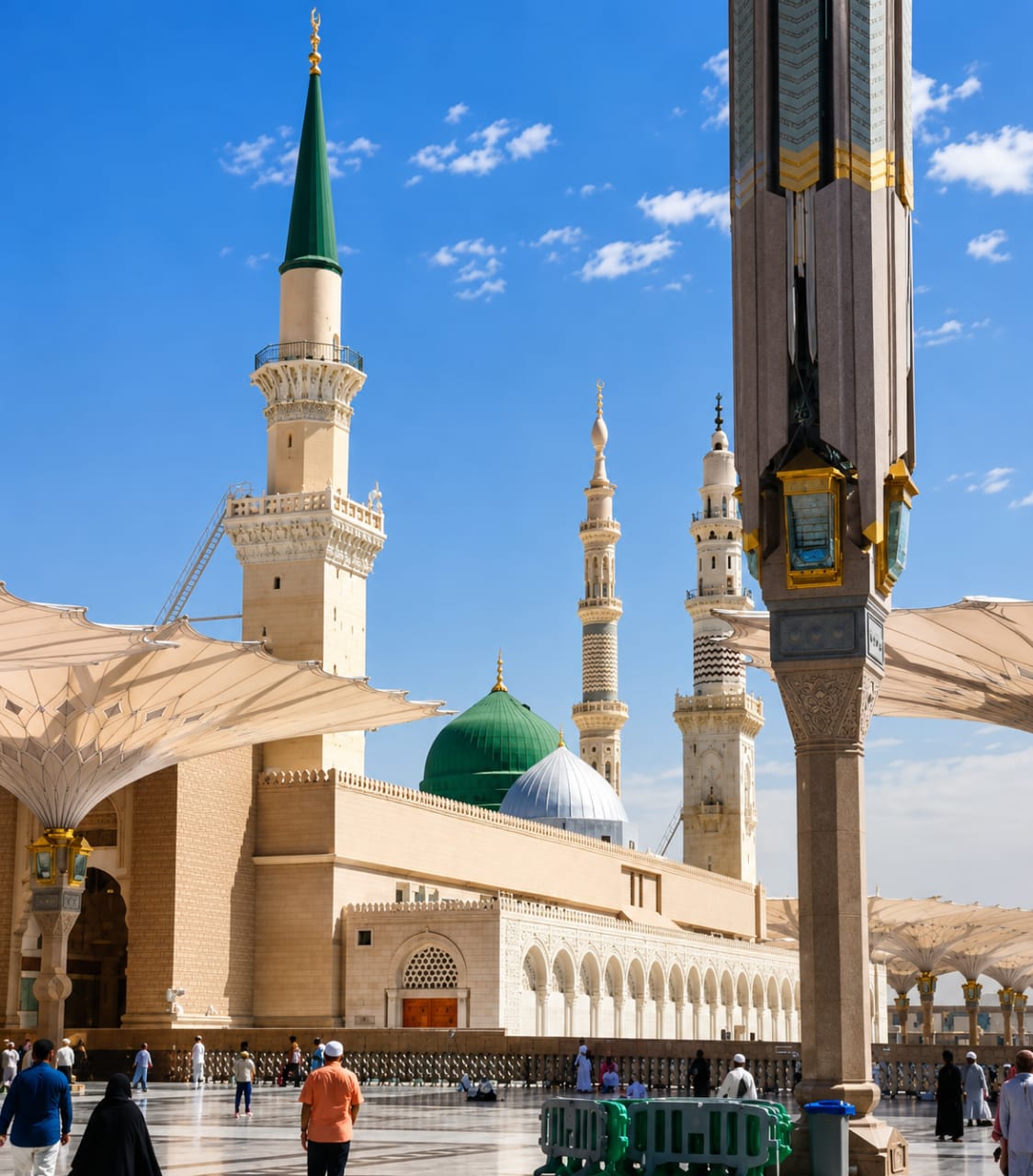
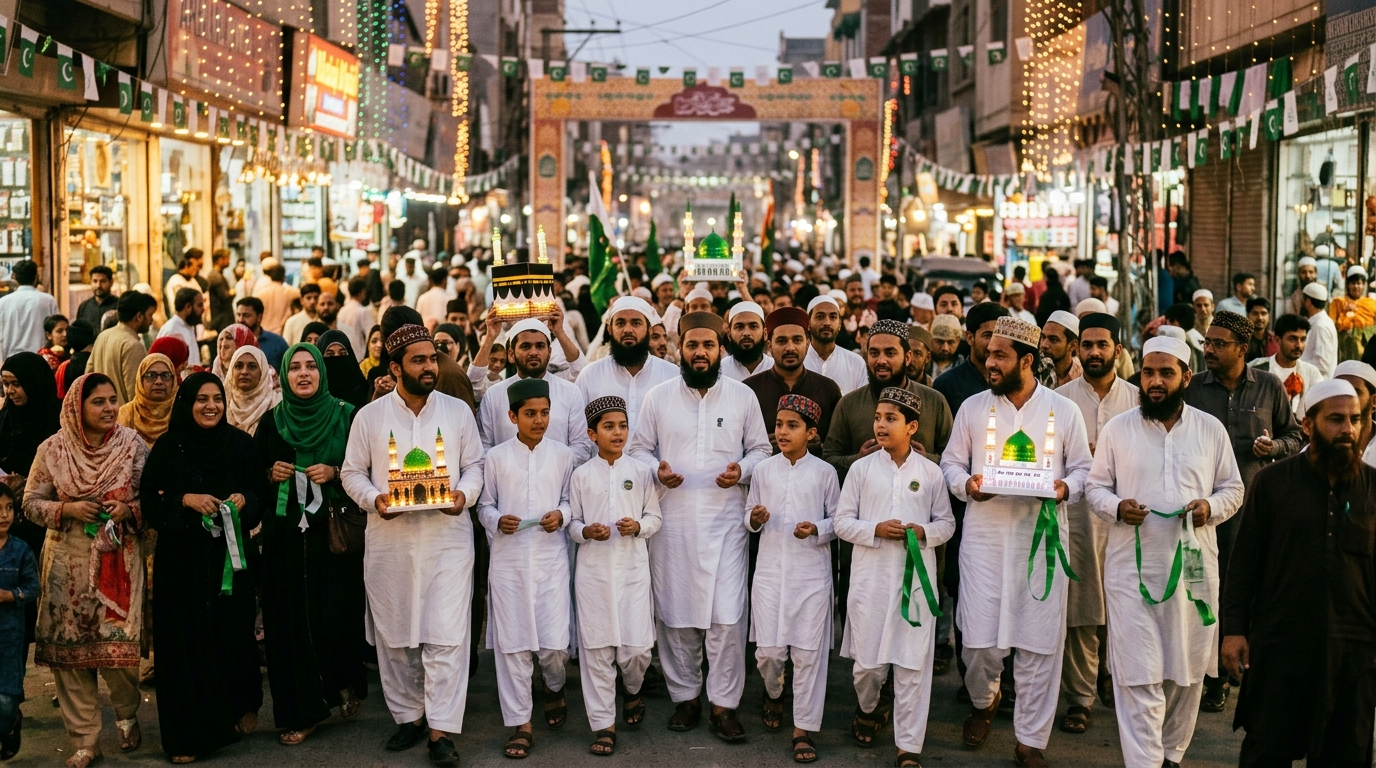
12th Rabi-ul-Awwal is observed around the world as “Eid Milad-un-Nabi.” On this day, mosques and homes are decorated, processions are held, and gatherings feature poetry in praise of the Prophet (Naat) and seerah conferences. Countries like Pakistan, India, Bangladesh, Turkey, and Egypt observe a public holiday on this occasion.
However, it’s important to understand a key nuance here: scholars within the Muslim community hold differing views on how — or whether — this day should be commemorated.
One viewpoint holds that celebrating the Prophet’s ﷺ birth, discussing his life, and giving charity on this occasion is a praiseworthy act, as long as it isn’t treated as an obligatory part of religion. Scholars who hold this view point out that the Prophet ﷺ himself used to fast on Mondays (the day of his birth) and explained the significance of that day as an act of gratitude.
*The opposing viewpoint* argues that since the Prophet ﷺ, his companions, and Muslims of the first three centuries did not observe 12th Rabi-ul-Awwal as a festival, doing so today constitutes an innovation (bid’ah) in religion. According to this view, it is better to study and follow the Prophet’s ﷺ life throughout the year, rather than tying it to one specific date.
This is a matter of jurisprudential (fiqhi) difference, and opinions vary across different schools of thought within Islam (Deobandi, Barelvi, Ahl-e-Hadith, Shia, and others). What matters most is that the underlying goal for everyone is the same: love for the Prophet ﷺ and incorporating his teachings into daily life.
Lessons from the Prophet's ﷺ Life That Remain Relevant Todaye
The real message of 12th Rabi-ul-Awwal lies in what we learn from the Prophet’s ﷺ life. A few key lessons include
Honesty and Trustworthiness
Honesty and Trustworthiness
Even before prophethood, the people of Makkah called him “As-Sadiq Al-Amin” — the truthful, the trustworthy. In today’s world, where dishonesty is common in business and relationships, this remains a guiding principle for every walk of life.
Mercy and Compassion
The Quran describes the Prophet ﷺ as “Rahmatul lil Aalameen” — a mercy for all the worlds. His treatment of animals, children, servants, and even his enemies stands as the highest example of compassion.
Patience and Perseverance
Whether it was the journey to Ta’if or the boycott in the valley of Abu Talib, the Prophet ﷺ never let go of patience and faith in the face of hardship. This lesson offers strength to Muslims navigating difficult circumstances today.
Justice and Fairness
At the Conquest of Makkah, when the entire city lay at his feet, his declaration of general amnesty stands as an unmatched example of justice and mercy in history.
How to Observe 12th Rabi-ul-Awwal Meaningfully
If you’d like to spend this day in a meaningful way, here are a few suggestions:
- Read authentic books or listen to lectures on the Seerah (life) of the Prophet ﷺ.
- Give charity to those in need.
- Increase in sending blessings (Durood) upon the Prophet ﷺ.
- Share stories from the Prophet’s ﷺ life with family and children to build awareness of the Seerah in the younger generation.
- Organize a seerah conference at your mosque or in your community, featuring credible, scholarly discussion.
- Make a personal commitment to adopt the Prophet’s ﷺ example (Sunnah) in daily life.
12th Rabi-ul-Awwal Around the World
In Pakistan, 12th Rabi-ul-Awwal is a public holiday, marked by massive Milad processions that draw millions of participants. Egypt, Turkey, and Morocco also observe the day with religious and cultural events. In Saudi Arabia, however, the day is not officially recognized as a festival, as the majority of scholars there hold the opposing viewpoint mentioned earlier.
Frequently Asked Questions (FAQs)
What happened on 12th Rabi-ul-Awwal?
According to most traditions, this is the date the Prophet ﷺ was born in Makkah, and it is also believed to be the date of his passing in 11 AH.
Is it permissible to celebrate Eid Milad-un-Nabi?
Scholars hold differing views on this. Some consider it permissible and praiseworthy, provided no innovative religious practices are involved, while others view it as a bid’ah (innovation) in religion. It’s best to seek guidance from a qualified scholar in your local community.
Do all Muslims agree that 12th Rabi-ul-Awwal is the Prophet's birth date?
No. Shia Muslims generally observe the 17th of Rabi-ul-Awwal as the birth date, while the 12th is the more widely accepted view among Sunni Muslims.
What was the "Year of the Elephant?
It was the year Abraha attempted to attack the Kaaba with an army that included elephants, an assault that was foiled when Allah sent flocks of birds (Ababil) against them. The Prophet ﷺ was born the same year.
What is the significance of fasting on this day?
Hadith literature mentions the virtue of fasting on Mondays, the day the Prophet ﷺ was born, as an act of gratitude. This fasting practice is tied to Mondays generally, not specifically to 12th Rabi-ul-Awwal.
There is definately a lot to find out about this subject. I like all the points you made
I’m often to blogging and i really appreciate your content. The article has actually peaks my interest. I’m going to bookmark your web site and maintain checking for brand spanking new information.